

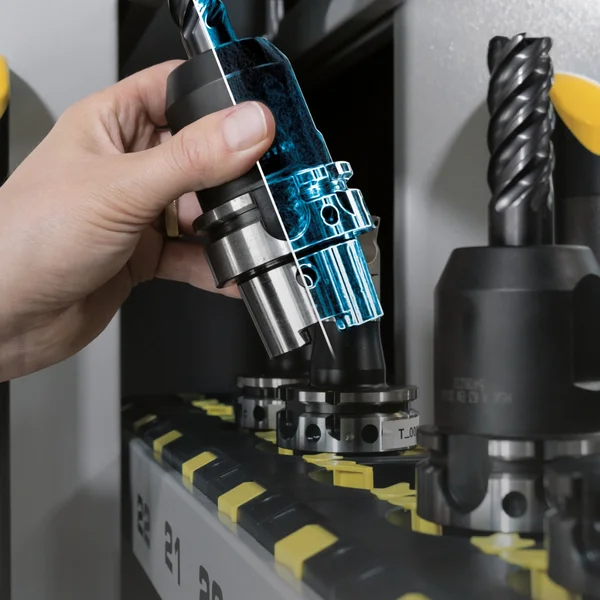
Modern tool management has numerous aspects—it involves tool data management, storage, transportation, and ordering of tools and tool parts, but above all, it involves one thing: more effective, better work processes.
With a good tool management system, you have an overview and control of all phases in the life cycle of your tools – and can decide for yourself how much detail and complexity you want to keep track of.
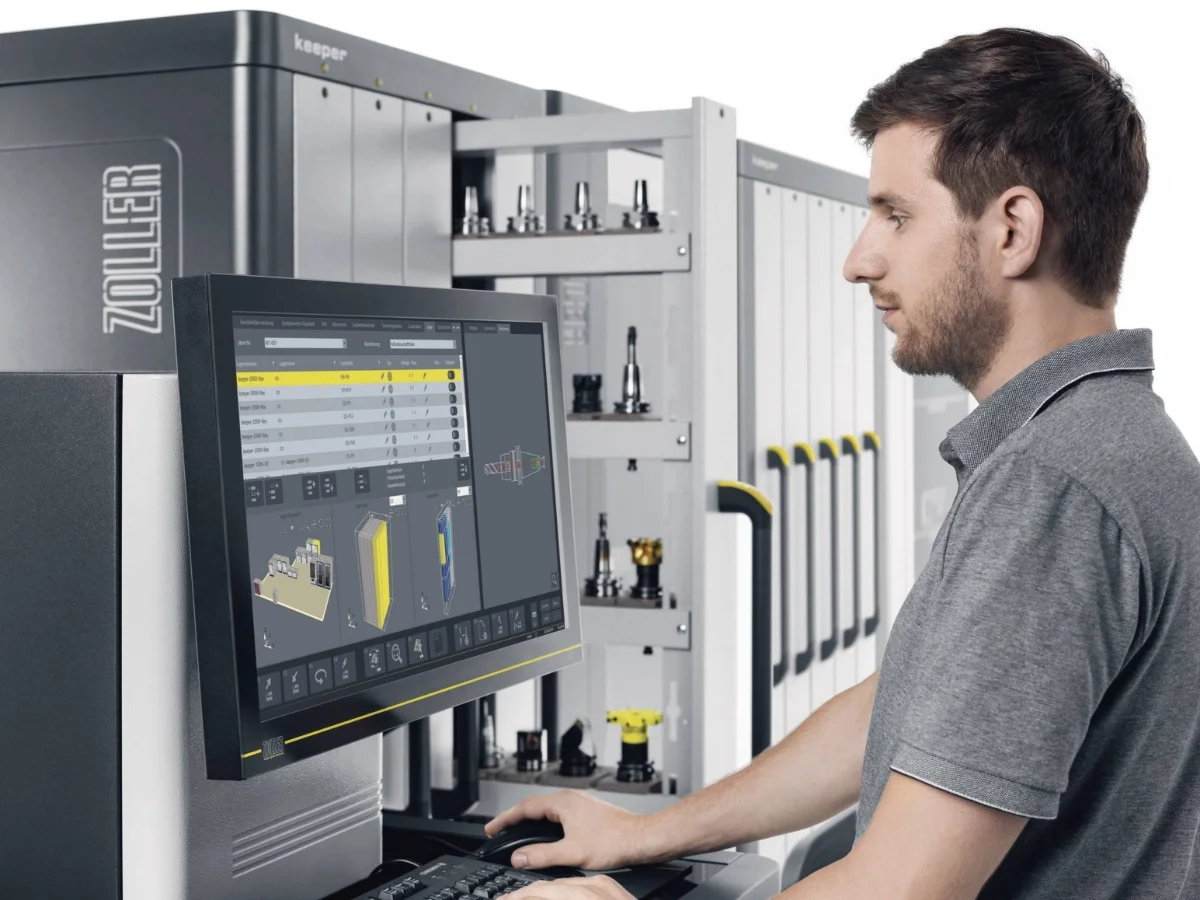
Tool management: warehousing, planning, checks
Tool management means, for example, centrally entering and managing all tools and tool components. This gives you an overview of your tools and components, but also allows you to optimize your inventory management, plan and check tool usage, and order new tools and components at the exact time, just in time.
With the right software, you gain complete transparency about how and where your tools are used – across the entire process chain. This also means better cost control, optimized workflows, and more effective use of your tools.
Tool management also means that all tool data is managed centrally and, ideally, transferred directly to your CAM systems via suitable interfaces. This simplifies and shortens the setup process, making the set up of your tools faster and more reliable.
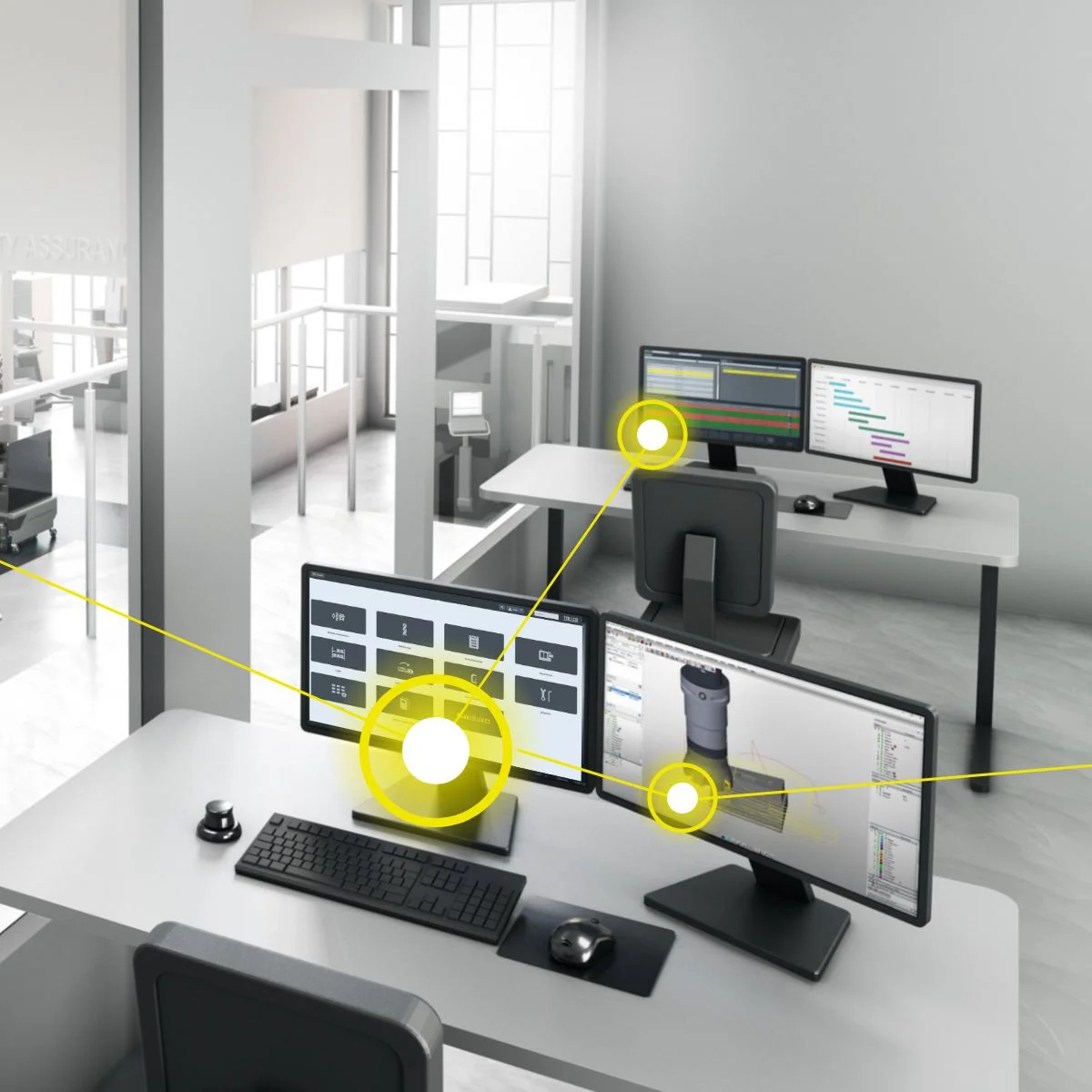
Tool management software as a central component of tool management
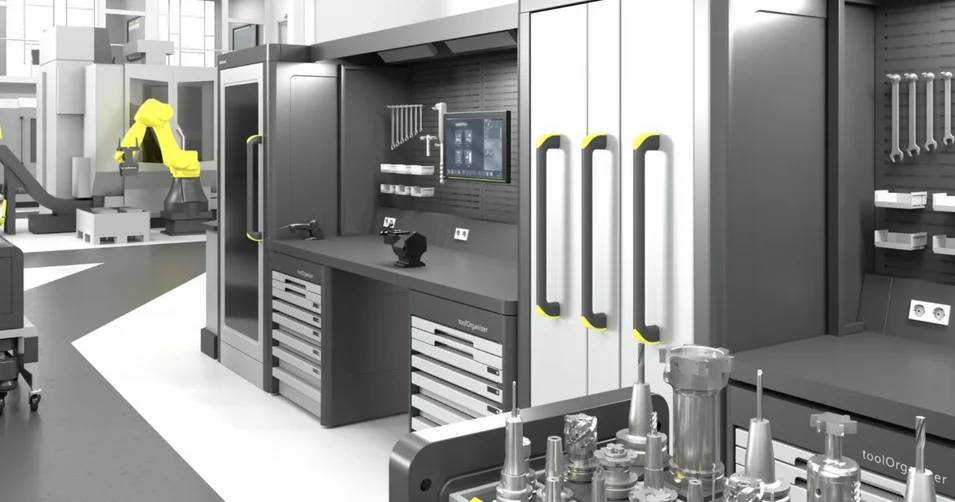
Modern tool logistics is actually inconceivable without the appropriate management software. With a suitable program, you can ensure that the tool supply is ensured for every work step, and time-consuming tool searches are a thing of the past. This is because your tool list also notes where each individual part is located—and if you want, you can use smart cabinets, intelligent storage cabinets, to ensure that everything is really in its place.
Tool data always available
But tool management is much more than just tool storage: the system always has the right tool data or tool presets available and enables fast and error-free transmission to your tool systems or presetting device. This prevents errors, reduces waste, and speeds up work processes.
Whether you have usage of cutting tools (we usually refer to them as "cutting tools," but if "machining tools" is better from an SEO perspective, you can also use that term) or devices from a completely different tool class: There is certainly room for improvement in your logistics, and there are options for optimization—perhaps in tool dispensing, the storage system, or the tool database in use.


Select language
Europe