Automated measurement, cost-effective manufacturing—Mauth relies on the ZOLLER »roboSet 2«

Mauth Werkzeug-Schleiftechnik GmbH in Oberndorf am Neckar benefits from the unattended, automated measurement of special tools in small and medium-sized production runs. 

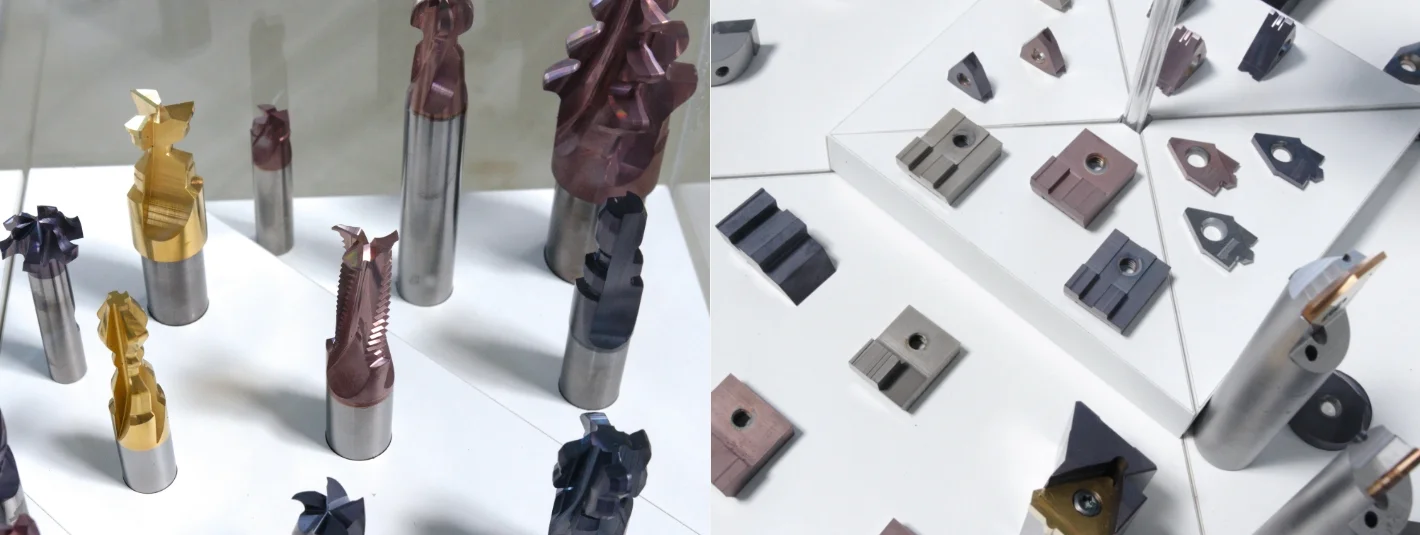
Michael Mauth says he always focuses on innovative technologies. Most recently, Michael Mauth integrated TELA Precision tools GmbH in Horb into his company as a sister company. There, an additional 25 skilled workers primarily manufacture special tools with PCD and CBN cutting edges, as well as custom-designed gear-cutting tools and tool holders—for example, for cutting the gears of large gearboxes used in wind turbines.

Measure every step of the manufacturing process

However, for them to use these benefits, special tools must be manufactured with especially high accuracy. Michael Mauth explains: “Maintaining the highest quality and accuracy is crucial for the machining results of special tools. Workpiece geometries produced with a special tool cannot be corrected, because the accuracy is determined by the profile of the special tool.” To ensure that the special tools ground in Oberndorf correspond to these requirements, Michael Mauth invested in suitable measuring technology several years ago. “At our facility, the skilled workers in production measure directly in connection with individual grinding processes. This is the only way to ensure that we produce high-precision tools that correspond to the specifications at every machining step and avoid time-consuming, costly scrap,” he explains.


Automation is essential for remaining competitive on the global stage.

Michael Mauth Management, Mauth Tool Grinding Technology

Cost-Effective Thanks to Automation

As Michael Mauth explains, he considers the automation of numerous production processes—even at a tool grinding shop—to be sensible and forward-looking. “To be and remain competitive on the global market, automation is simply indispensable,” he highlights. That is why the tool grinders in Oberndorf have automated numerous internal processes, particularly for grinding series of several hundred special tools. The tool grinders produce tool series of 10 or more pieces on tool grinding machines equipped with pallet stations and robots for loading and unloading. This allows skilled workers to focus on programming and manufacturing one-off pieces as prototypes. 

Through automation, they’ve implemented multi-machine operation, which has proven especially cost-effective. During regular work shifts, the tool grinding machines are set up and loaded with pallets. The blanks arranged on the pallets are then ground during unattended night shifts.

Central Database

A company-wide network for data exchange between CAD/CAM programming, order planning, and CNC machines also contributes to cost-effective production with minimal effort and short lead times. A central database contains all information relevant to the production of the tools. Specialists can access this data via the network at nearly all production stations in the grinding operation. 

Michael Mauth comments: “This organization and structure create transparency and significantly speed up internal processes. It eliminates the need for individual skilled workers to make unnecessary trips to different departments and avoids time-consuming requests.” Michael Mauth has also largely optimized the internal material flow. This ensures that the tool grinder can flexibly manufacture and provide even complex special tools in the shortest possible time. 

Automated Measuring Technology 

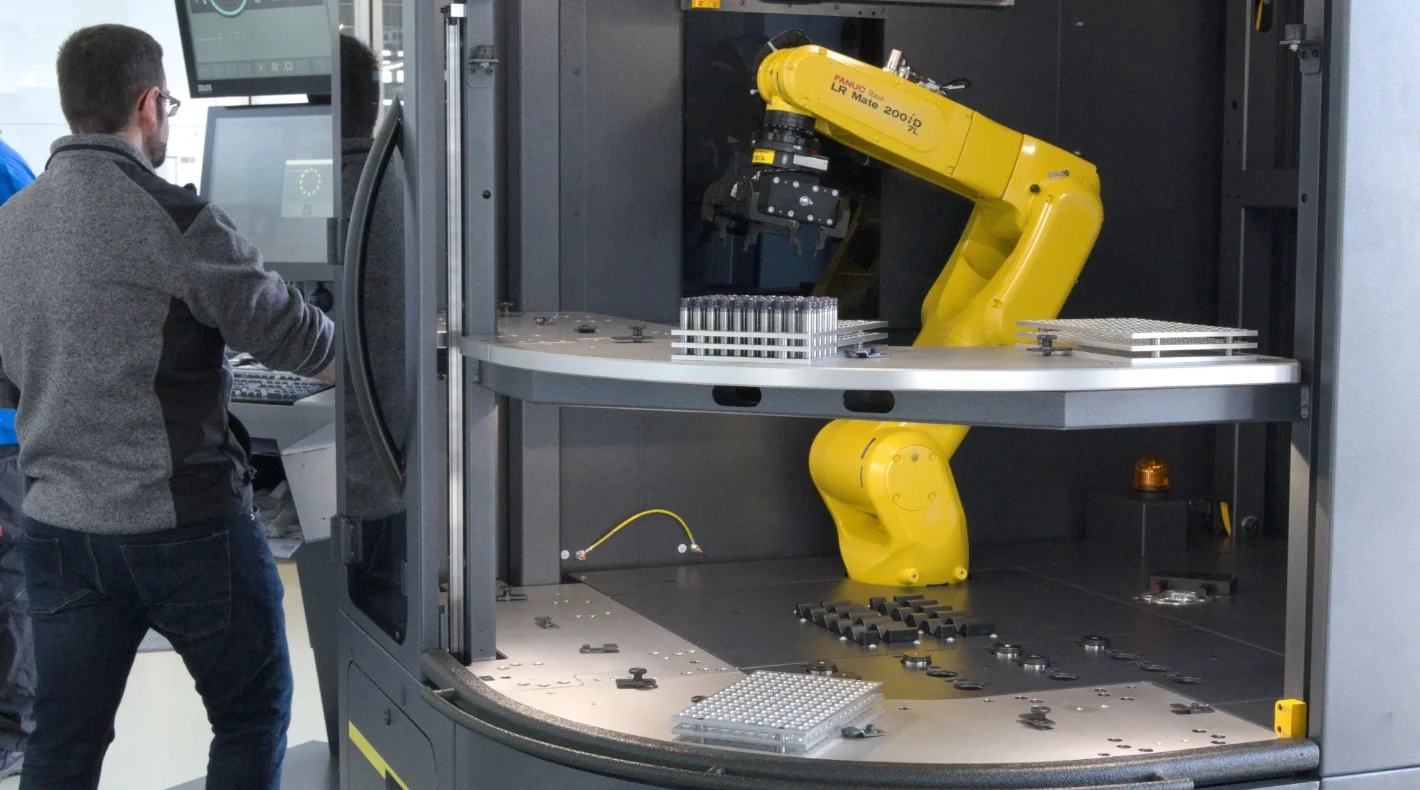
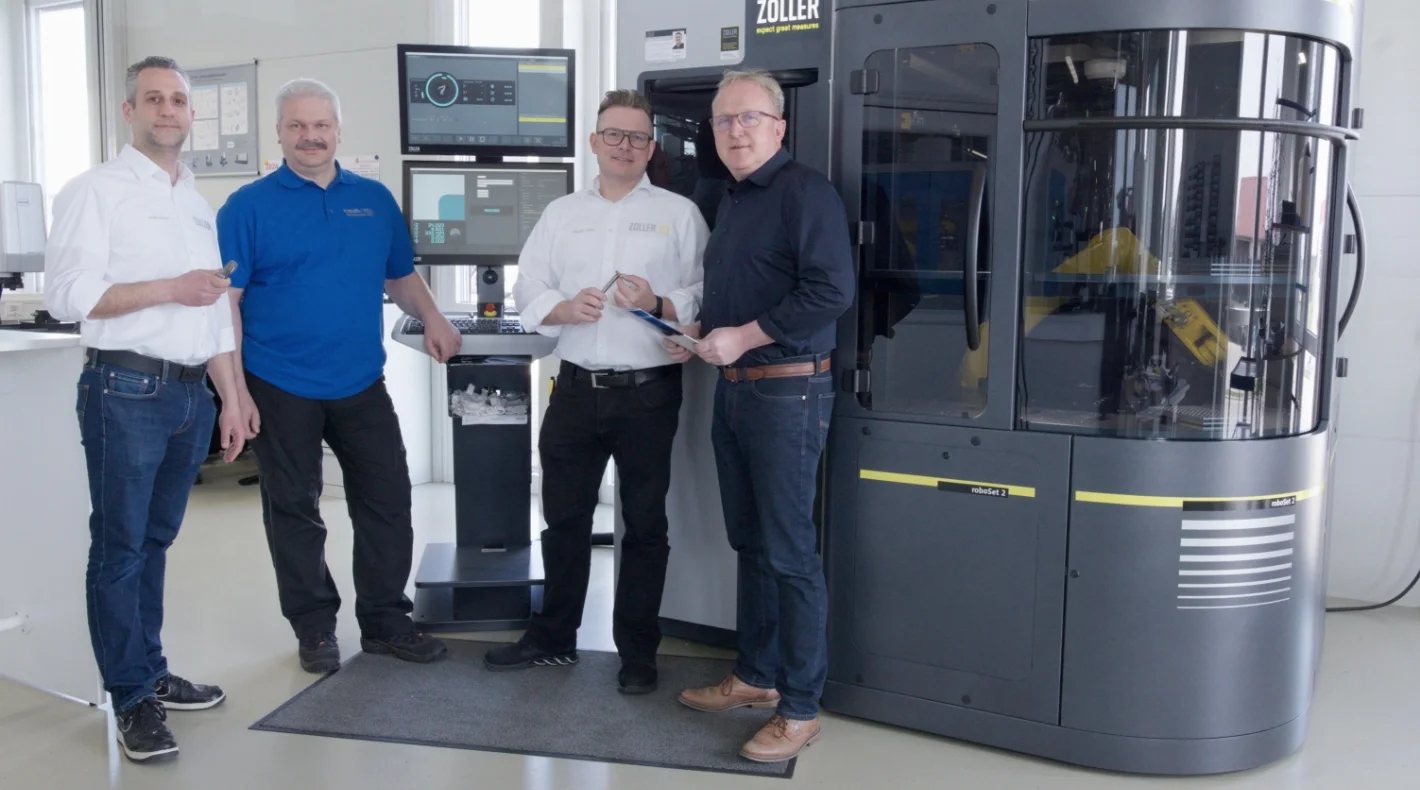
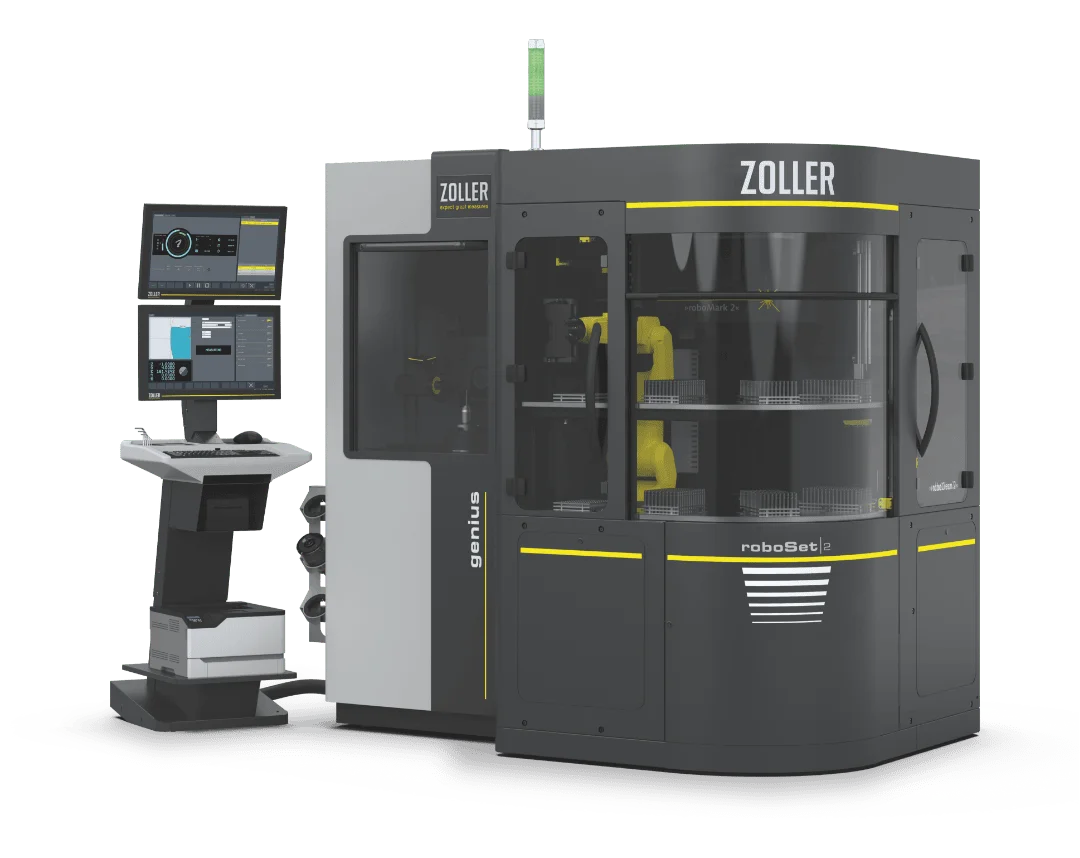
The tool grinders in Oberndorf are now also using automation to measure special tools that are ground in batches of 10 or more. Michael Mauth comments: “Given the current shortage of skilled personnel, we’re relieving our personnel of repetitive, tedious tasks. We make sure to assign our skilled employees to meaningful tasks. This includes work that requires creativity and expertise.” That is why he recently invested in a »»roboSet 2«« robotic cell in connection with a »»genius«« measuring machine from ZOLLER. It accommodates up to eight pallets, each holding up to 150 special tools. An integrated robot uses it to load and unload the connected measuring machine. It also sorts out tools that do not correspond to specifications based on the measurement results. 

Once the robot cell and the measuring machine have been set up and the pallets have been loaded, the measurement process runs fully automatically and unattended. “This robotic cell ensures that, even for production runs of several hundred tools, we can economically measure all tools without exception and thus guarantee their quality 100 percent,” highlights Michael Mauth. For production runs of several thousand tools, the tool grinders can at least measure a sample—such as every fiftieth tool—cost-effectively and with reasonable effort.


Reliable Relief

After several months of experience with automated measurement, the specialists in Oberndorf confirm that the system operates reliably and, above all, relieves them of tedious tasks. Depending on the dimensions, it measures anywhere from a few dozen to several hundred tools overnight without supervision. It records and stores the measurement data. It also transfers the information to the central database, to which the »»genius«« measuring machine is connected. This enables the tool grinder to consistently generate and provide its clients with the documentation that corresponds to the quality of the special tools produced. 


Practical Application 

Michael Mauth confirms the economic benefits of the »roboSet 2« robot cell in connection with a ZOLLER »«genius»« measuring machine. He is also impressed by the excellent collaboration with the specialists at ZOLLER. “The technicians and engineers at ZOLLER are always willing to listen and take into account the practical needs and requirements of users. They are very interested in optimizing the setting and measuring machines for users,” he says, praising the achievements of the Pleidelsheim-based manufacturer.