Verifying and Documenting Cutting Edge Radii

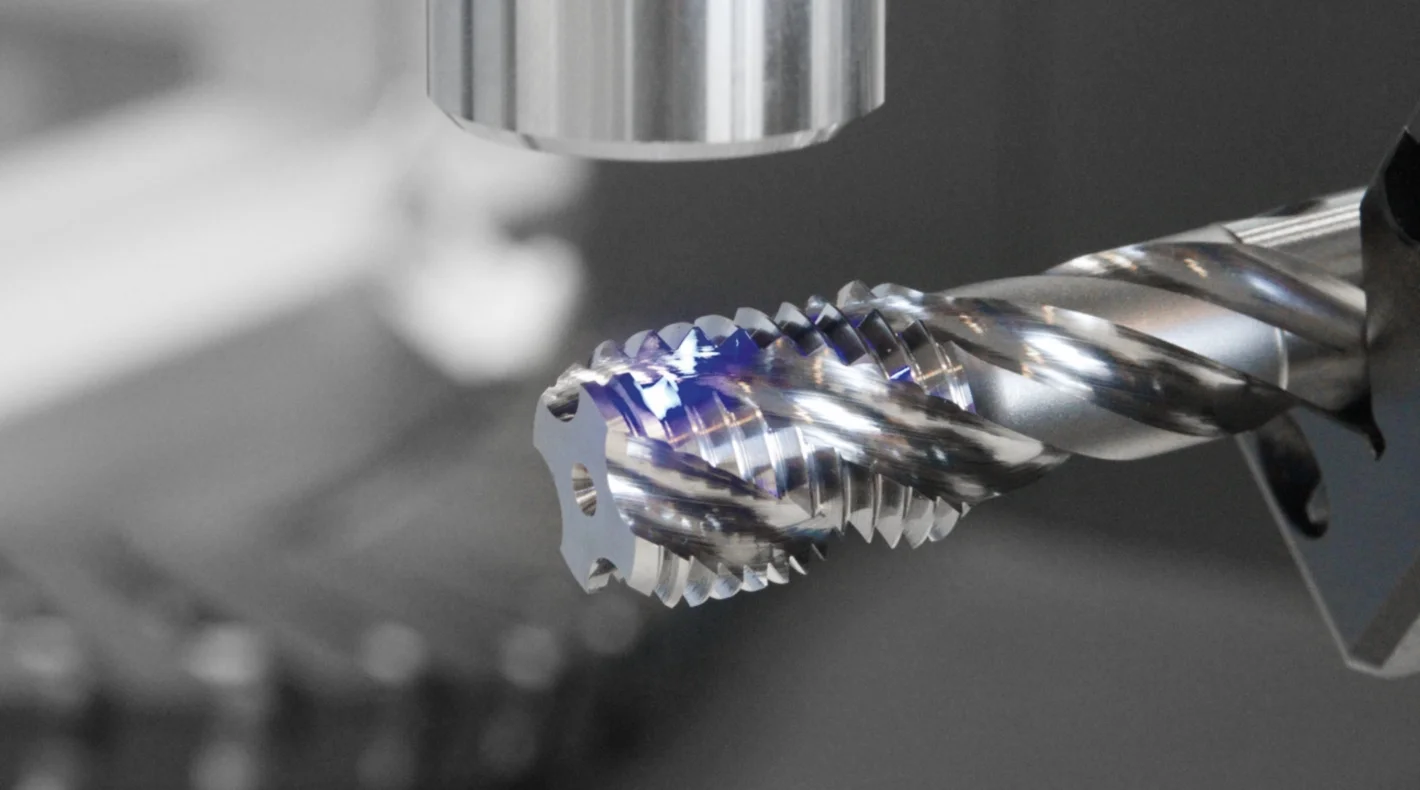
Schumacher Precision Tools GmbH in Remscheid develops and manufactures tools for producing internal threads. The tool specialist measures and documents the defined radii of the cutting edges on these precision tools quickly, easily, and reliably using a »mμFocus« optical inspection device from ZOLLER. For the wide range of materials processed in industry, these defined radii on the cutting edges ensure process reliability during machining. Thus, cutting edge radius is a key quality characteristic for cutting tools.

Priority: Quality Assurance

This is also confirmed by Volker Nötzel, Managing Director of the tool manufacturer Schumacher Precision Tools GmbH in Remscheid. For more than 100 years, Schumacher has been developing and producing tools for manufacturing internal threads for industrial applications at its Remscheid facility. The engineers in Remscheid have now fully digitized the design and manufacturing processes. Fully parameterized models are also used for optimization purposes in FEM solid-body simulations. Through an express service, custom-designed tools can be manufactured as single pieces or in small batches using digital design within just about 48 hours. 

Fully Parametrized 

Schumacher Precision Tools GmbH, together with its sister company GAP Gesellschaft für angewandte Prozesslenkung GmbH, has been intensively engaged in data integration and digital control methods at a scientific level for more than 30 years. At the outset of the research, all areas relevant to production and processing were interconnected via information technology using a CIM strategy. As early as 20 years ago, deep learning approaches from the field of artificial intelligence (AI) were pursued, and neural networks were employed for condition monitoring of CNC machining centers in collaboration with RWTH Aachen University.

Thanks to all these R&D activities, Schumacher now relies on a proprietary, modular engineering system for product development. The modular system comprises the ToolDesign (TD) and ToolSimulation (TS) modules, which are used to digitally design cutting tools through variant design and to simulate and test them in use via solid-body FEM simulation prior to production. Accordingly, Schumacher Engineering works with fully parameterized tool models. Up to 180 parameters from the automated variant design describe each tool in 3D space—right down to the edge rounding.


Good cooperation

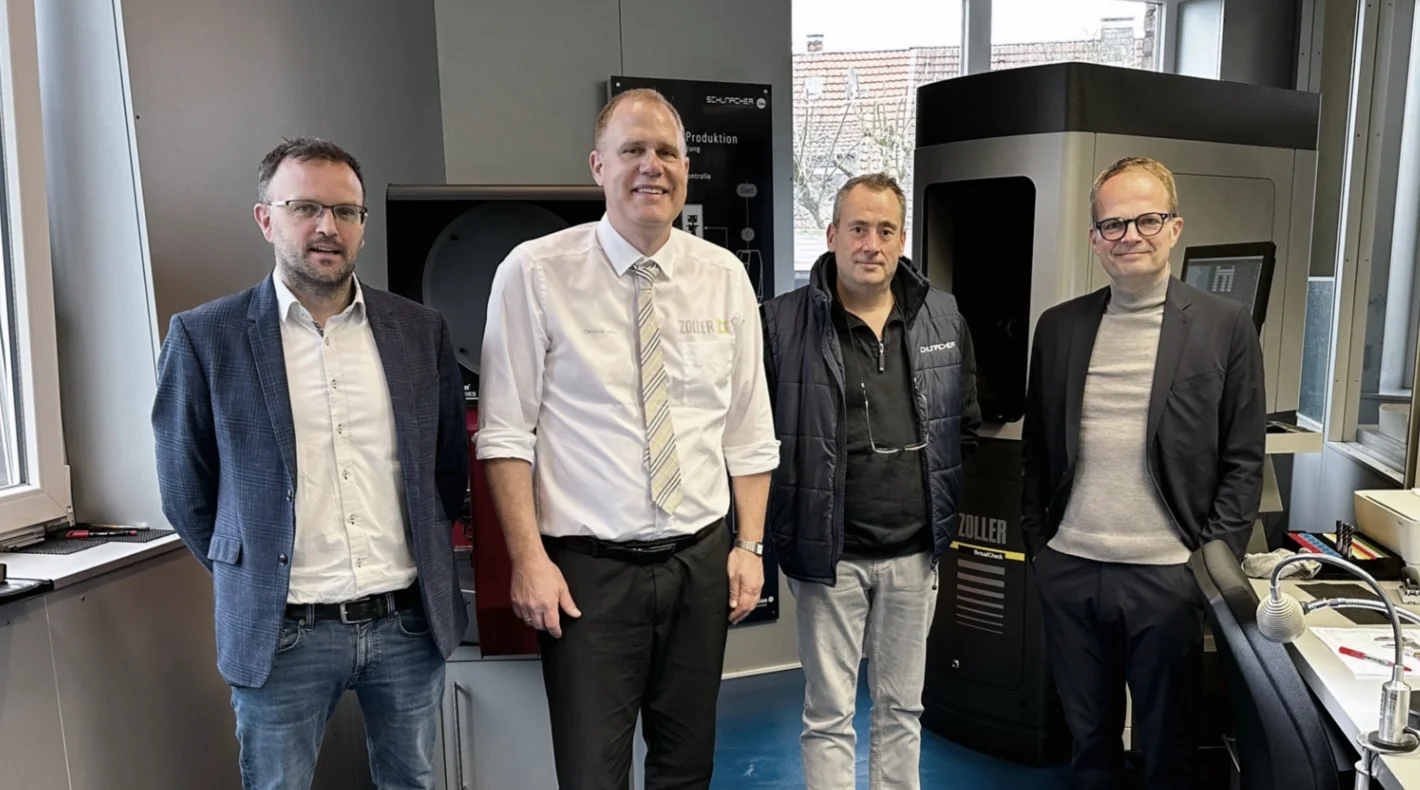
The fully digitized tool kit developed by Schumacher and GAP provides an excellent foundation for close collaboration with E. ZOLLER GmbH & Co. KG. As reported by Dr.-Ing. Bernd Schniering, owner and managing director of Schumacher and GAP, it is particularly the personal contacts with Mr. Christoph Zoller that enable the development engineers of the participating companies to work together in a spirit of great trust. 

Bernd Schniering and Volker Nötzel consider the expertise and competence at ZOLLER regarding the high-precision measurement of all relevant tool parameters to be particularly high. In particular, they emphasize that the specialists in Pleidelsheim take recommendations from metrological practice to heart. “Within a short time, they optimize their measuring instruments and software accordingly,” explains Bernd Schniering.

Reliable optical measurement

As emphasized, cutting tool manufacturers have required tools with specifically rounded cutting edges for many years. At Schumacher in Remscheid, process planners therefore have the appropriate manufacturing equipment—such as vibratory grinding machines. 

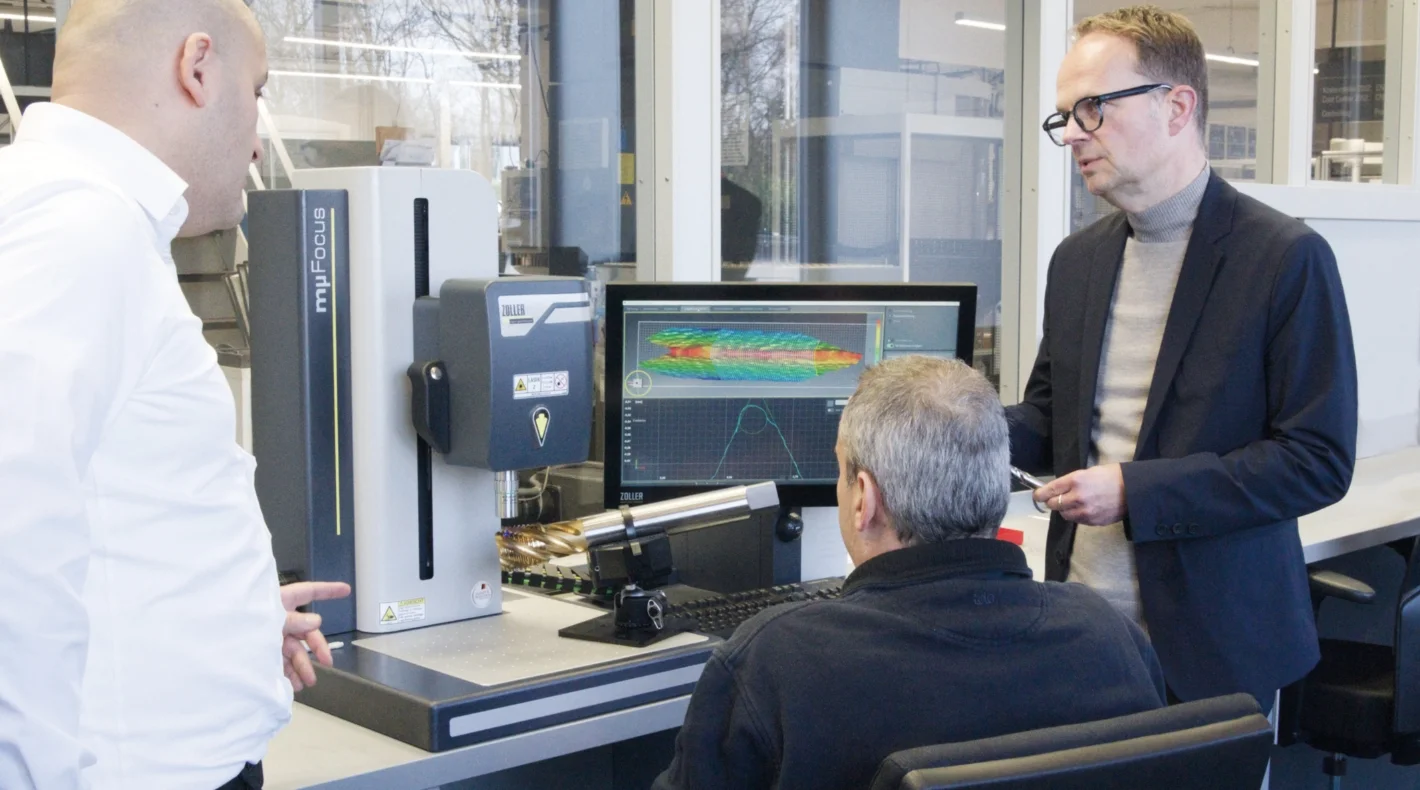
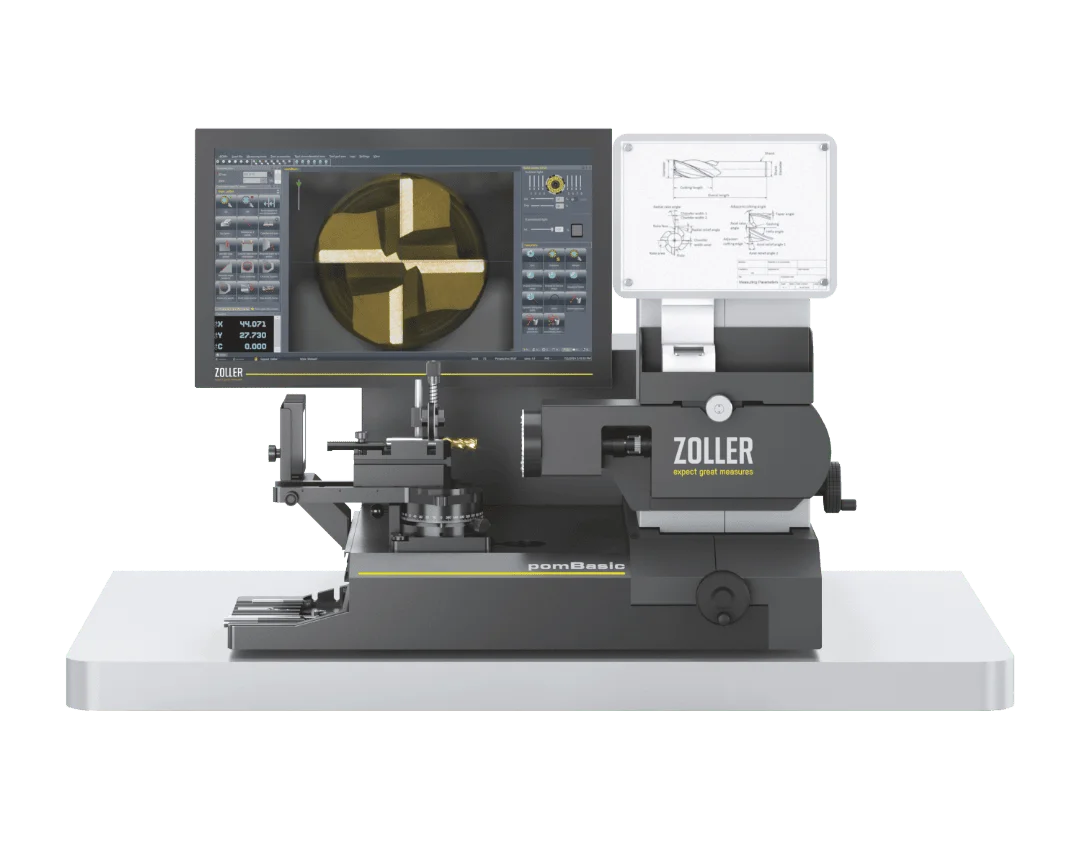
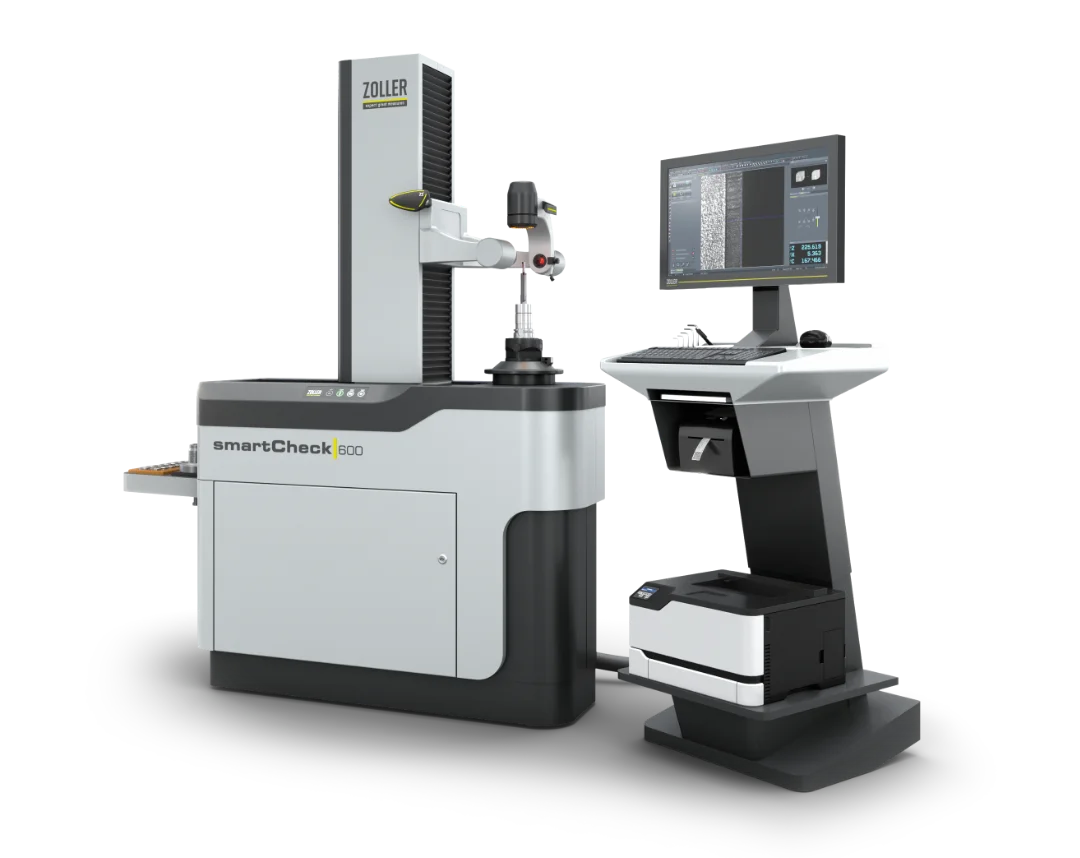
As a result, they have a certified quality assurance system with documentation of the cutting edge parameters. They use a »mμFocus« inspection system from ZOLLER for this purpose. “After extensive comparisons of the currently available measurement methods and devices, we were convinced that the »mμFocus« from ZOLLER meets our requirements for reproducibility,” explains Volker Nötzel. It is compact and robust. This makes it suitable for measurement both during production and as part of final inspection. It operates non-contact optically using laser light and a measuring microscope. The measurement spot measures just 10 x 10 mm. Even the smallest contours and geometries can be captured with an accuracy of less than 1 μm. In addition, the »mμFocus« inspection system easily handles complex geometries, such as cutting edges and thread flanks on cutting segments of highly twisted tap drills. 

Thanks to its large vertical working or adjustment range (Z-axis), the »mμFocus« allows for flexible and repeatable measurement of both very small and large tools. “This makes »the mμFocus« particularly well-suited for continuous quality assurance of threading tools. Thanks to the very short setup and adjustment times, our metrology technicians can, for example, fully measure all tools when manufacturing special tools in small batches. Fillet radii with design-specified dimensional ranges between 2 and 5 μm can be measured with process reliability and repeatability. This allows us to ensure that the manufactured threading tools precisely meet the specifications,” reports Volker Nötzel. He is convinced that the optical metrology of the »mμFocus« inspection systems has become indispensable for further optimizing threading tools.